
Transform check-in: from transactional to exceptional
The hospitable part of check-in can be sophisticated “welcome theatre” — or almost nonexistent. Either way, our goal is to fix the transactional part everybody hates.
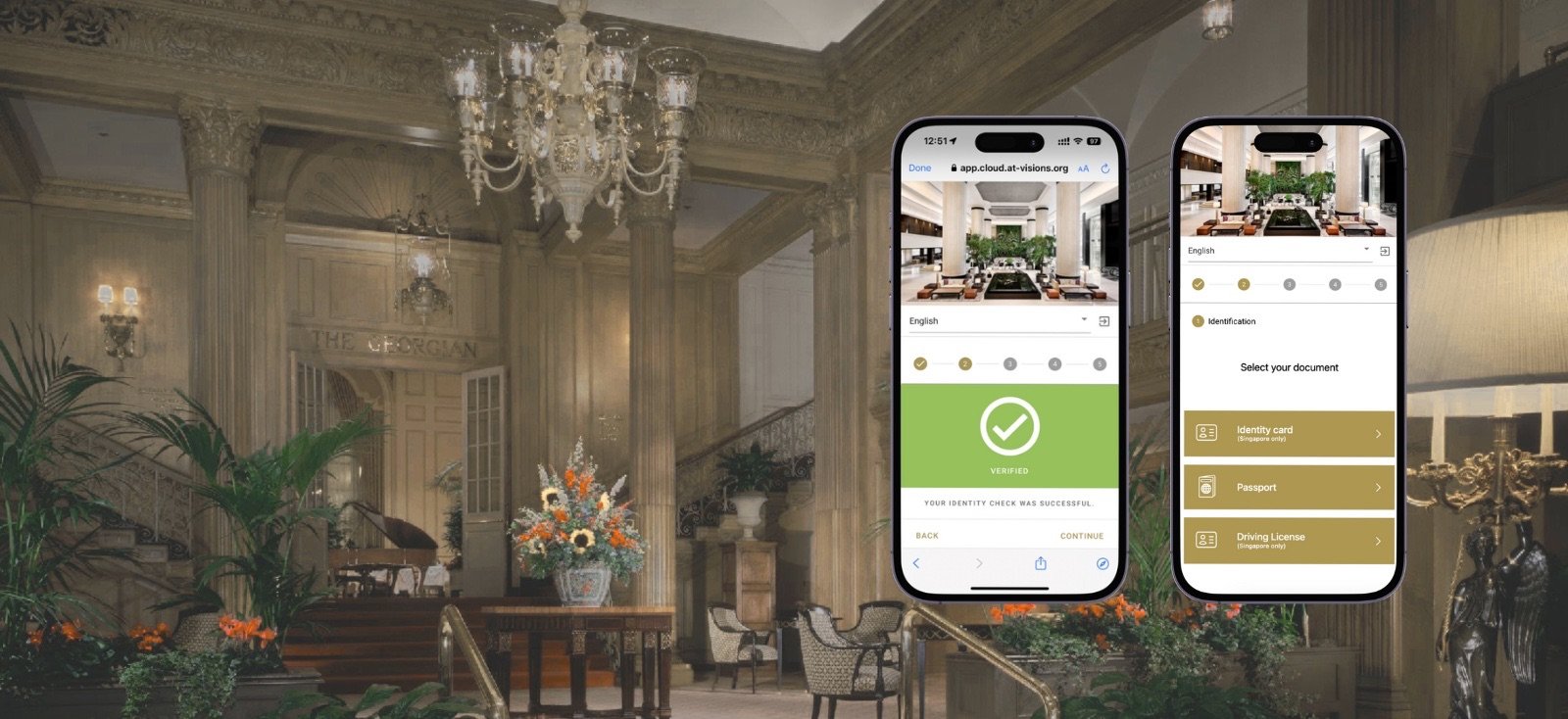
To clarify one thing at the very beginning: the hospitable part of check-in can be a very sophisticated “welcome theatre” and an extremely important part of the whole hotel experience. Or it can be almost nonexistent, like in short-term rentals and hybrids such as Sonder, Numa or Limehome. Or anything in between — it depends mainly on the business model, and each has its place.
Our goal is to improve the transactional part of the check-in process — the part everybody hates. It consists of mainly three buckets:
- Guest registration & ID verification, according to local legal requirements
- Payment
- Room allocation and the issuing of room keys
And each of these comes with its own bunch of challenges.
1 · Guest registration & ID verification
This one is annoying. The dreaded registration card, the copy of a passport — perhaps for the whole family. Often a combination of manual paperwork and eyebrow-raising privacy implications (“Do they really need passport copies of my whole family? What are they doing with it?”).
For the hotel the job is clear: figure out who the guest is, fulfill the legal requirements — and make the whole procedure as painless and quick as possible. Step one is to take this effort away from arrival. Travelers usually have plenty of time in transit, and they can do it on their own device, where most details are ready via autofill.
But what about the ID verification required in many countries? Here, too, technology is finally getting up to the task: many states now issue digital IDs, and with EUDI knocking on the door, soon every EU citizen will have one in their wallet. Verifying ID and providing registration details becomes a confirming click upfront or a tap in the hotel — provided the technology on the hotel side is ready to work with a variety of digital IDs, fully integrated into the check-in process.
2 · Payment
The second topic is an important one. Not only are there many payment methods to offer, there are also many payment policies to manage. Paid upfront? Partly upfront? Method on file? Pre-authorized? For in-stay consumption booked to the folio — as a percentage of room rate or a fixed amount per day? Also for loyalty guests, and on which tier? One invoice or split? Is online payment and pre-auth even possible, or only card-present?
The goal is to cover as much as possible of the almost endless long tail of edge cases. The solution: a system flexible and open for configuration in every thinkable way — and even every currently unthinkable way, because new requirements will show up for sure.
3 · The room key
After registration and payment, one “minor” issue remains: how do we get a key to the guest without a trip to the front desk? Short-term rentals have faced this for years — keypads with changing codes, mechanical add-ons on existing locks, or more analog routes. Doable, but none of it is really viable for a 150-room hotel with existing RFID door locks.
Again, technology is knocking at the door: wallet keys using NFC are the perfect future solution. Most new locks ship with this functionality, turning smartphones into keycards, and many existing locks can be retrofitted cost-effectively. Where budget isn’t available for replacement or retrofit, kiosks are the ideal alternative — enabling the complete check-in including passport scan and payment, or simply issuing the room key as the last transactional step.
4 · The social challenge
What often gets overlooked is the social and behavioral side. The arrival procedure as it is is annoying — but also well known, essentially unchanged for decades. Guests walk in, look for the reception and head straight there. With no front desk, a slight confusion arises; it should be made very clear, by design, what to do.
It is not unlike the arrival of the first airport kiosks: most were semi self-service, with an employee alongside guiding passengers through the steps. That solved two problems at once — it made clear what to do, and by offering help proactively it removed the fear of feeling embarrassed in public. It’s no surprise that the chain which introduced self check-in most successfully years ago (CitizenM) followed more or less exactly this model — nor that today an overwhelming majority of passengers prefer the DIY version of flight check-in.
One more thing: hotels are part of daily life. They benefit from the learning curve of everyday self-service — ordering at McDonald’s, buying transit tickets, using Apple Pay, clearing biometric passport gates, registering online for a short-term rental. All of it makes digital, self-service interactions for transactional tasks more common — and increasingly expected.
Summary
Digital IDs, online payments and wallet keys will drive a steep increase in adoption over the next two to three years, finally removing the annoying parts of check-in and drastically cutting the administrative time on the hotel side. The one thing that won’t magically disappear is the technological challenge in the background — but that’s another story.
“Actually, that’s our story. We fix check-in across systems, legislations, payment methods and lock technologies. Whatever it takes.”at-visions · on the future of check-in